
Ask a few friends where they look things up and you will get very different answers. One checks YouTube for a how-to video, another searches TikTok for restaurant ideas, someone else starts on Amazon, and a growing number simply ask an AI assistant. Google remains hugely important, but it is no longer the only place your customers go to find, compare and decide. Search everywhere optimization is the response: making your brand discoverable wherever your audience searches.
What search everywhere optimization means
The idea is simple. Instead of treating SEO as a single-channel project aimed at one results page, you treat discovery as something that happens across many platforms, each with its own format, audience and ranking logic. Your job is to show up credibly in all the places that matter for your buyers, with a message that stays consistent.
This does not mean being everywhere. It means choosing the platforms your customers actually use and doing them properly.
Understand intent platform by platform
People use each platform for a different job. Matching your content to that job matters more than copying the same post everywhere.
- Google and other web search: broad research, comparison and local needs, with a mix of text, video, images and maps.
- YouTube: learning, demonstrations, reviews and long-form explanation. Titles, descriptions, chapters and clear spoken content help videos get found.
- TikTok and Instagram: discovery and inspiration. Short video, strong hooks and captions that include natural, descriptive language about the topic.
- Amazon and other marketplaces: purchase-ready searches. Product titles, bullet points, images, reviews and availability carry the most weight.
- Reddit and forums: honest opinions and peer advice. Genuine, helpful participation works; promotion does not.
- AI assistants: conversational questions where the answer is synthesized from sources that are clear, credible and well-structured.
Spend time inside each platform's search box. Look at autocomplete suggestions, the results that appear, the formats that dominate and the questions people keep asking. That tells you what the platform rewards.
Keep your brand and entity consistent
When someone meets you in three places, they should recognize the same business. Use the same name, logo style, description, key claims and contact details across your website, social profiles, marketplace storefronts, review sites and directories. Inconsistency confuses people and also makes it harder for search engines and AI systems to connect the dots and understand who you are.
Keep a short brand reference document that covers your preferred company description, product names, tone of voice and the topics you want to be known for. Everyone who publishes on your behalf should work from it.
Build a topic strategy, then repurpose
Creating original content for every channel from scratch is expensive. A better approach is to choose the core topics your audience cares about and make each one work across formats.
- Start with one substantial piece, such as an in-depth article, a webinar or an expert interview.
- Pull out the key questions and answers and turn them into short videos, carousels and posts.
- Create a longer YouTube explanation or walkthrough where a demonstration helps.
- Adapt the same insights into FAQ sections, product descriptions and help documentation.
- Link the pieces together where the platform allows, so people can go deeper.
Repurposing is not copying. Each version should be reshaped for how people consume it on that platform: the opening, length, pacing and call to action will differ.
Do the technical and on-platform basics
Your website still anchors everything, so keep it crawlable, fast and well structured, with clear pages for each product, service and key question. On every other platform, complete your profile fully, use descriptive names and captions, add transcripts or subtitles for video, and respond to comments and reviews. These small signals help both people and algorithms understand what you offer.
Measure across channels
Rankings on one platform will not tell you the full story. Build a simple view that tracks visibility and outcomes together:
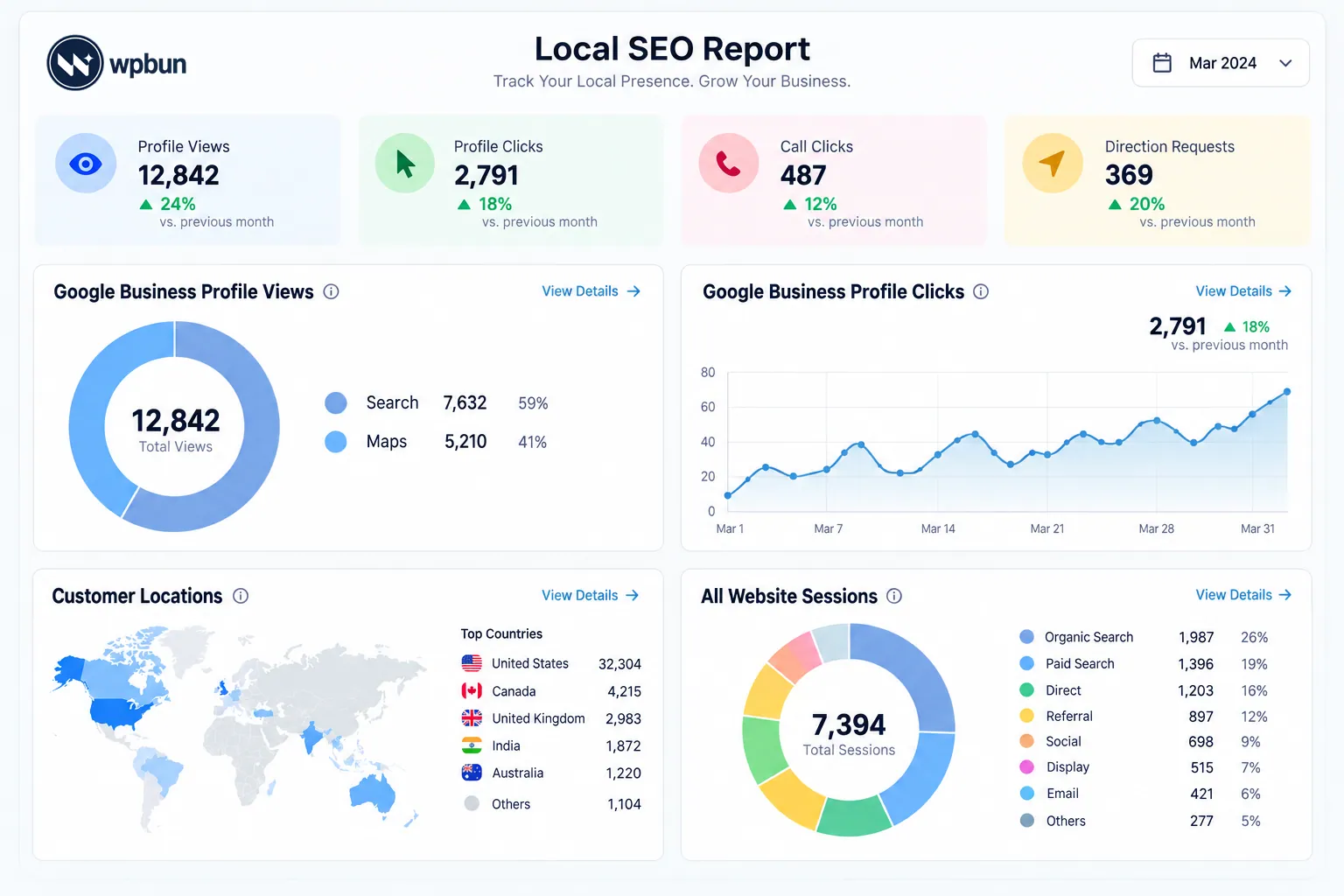
- Visibility: search impressions, video views, saves, shares and appearances in AI answers for a fixed list of target questions.
- Engagement: watch time, clicks to your site and profile visits.
- Demand: growth in branded searches and direct traffic.
- Outcomes: leads, sales and the customer's own account of how they found you, collected through a simple 'how did you hear about us' question.
Attribution will never be perfect, because people move between platforms before they act. Look for trends and combine numbers with feedback from your sales or support team.
Where to start
Pick the two or three platforms where your buyers already spend time, audit how you appear there, and fix the basics first. Then build a repeatable content process so one idea becomes many useful assets. Being easy to find in every place your customers look is what search everywhere optimization comes down to.
Want a team to put this into practice?
Explore our search everywhere optimization services or talk to our team about your goals.
CONTACT OUR SEO TEAM